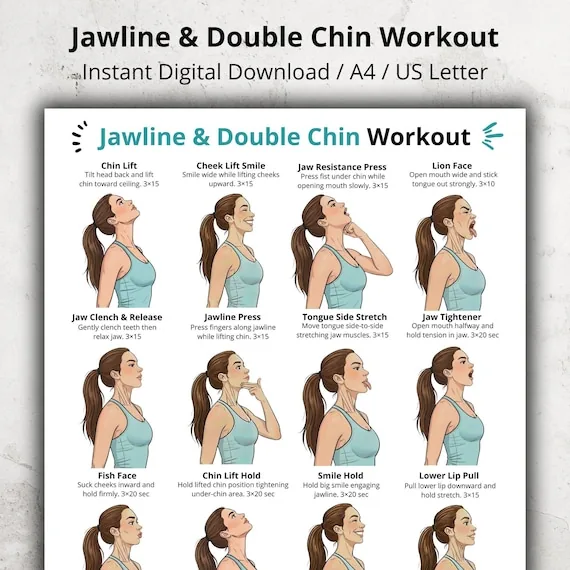
Skin Basics
How facial exercises for double chin work and what to expect
Subtle changes in the jawline and neck area often prompt people to search for simple, at-home habits before considering clinical…
We write about daily habits, medical terminology, and published research — and every claim links straight to the CDC, NIH, WHO, or PubMed page behind it. When a topic needs a clinician, we hand you to one nearby.
Footnote numbers link to the specific document, not an organization's homepage. Check any claim in seconds.
A senior nutrition student is called a nutrition student. A practicing physician is called a physician. We don't inflate titles.
When something needs clinical judgment, we send you to the directory instead of guessing on your behalf.
No drug dosing, no diagnosis, no treatment protocols. These areas are our current scope — we expand only when we have a reviewer qualified for the subject.
Understand the numbers on your lab report.
4 SECTIONS SleepSleep routines, disorders, and what the evidence supports.
3 SECTIONS Nutrition & HydrationEveryday eating and hydration, with the sources behind each claim.
4 SECTIONS Movement & PostureDesk setup, walking, and starting from zero.
3 SECTIONS Preventive HealthScreenings, seasonal health, and home monitoring.
3 SECTIONS Skin & Everyday CareSkin basics and sun damage prevention.
2 SECTIONS
Subtle changes in the jawline and neck area often prompt people to search for simple, at-home habits before considering clinical…

It is completely normal to feel uneasy when you start looking closely at what goes into your meals. The idea that tiny…
It often starts with a message that feels urgent, or an offer that sounds too helpful to ignore. Before you know it, the stress…
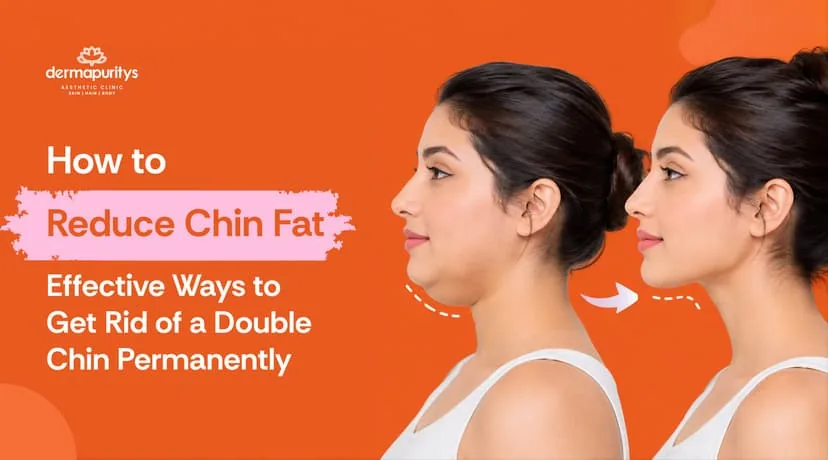
Noticing extra fullness under the jawline is a common experience, and it often ties back to broader lifestyle factors like…
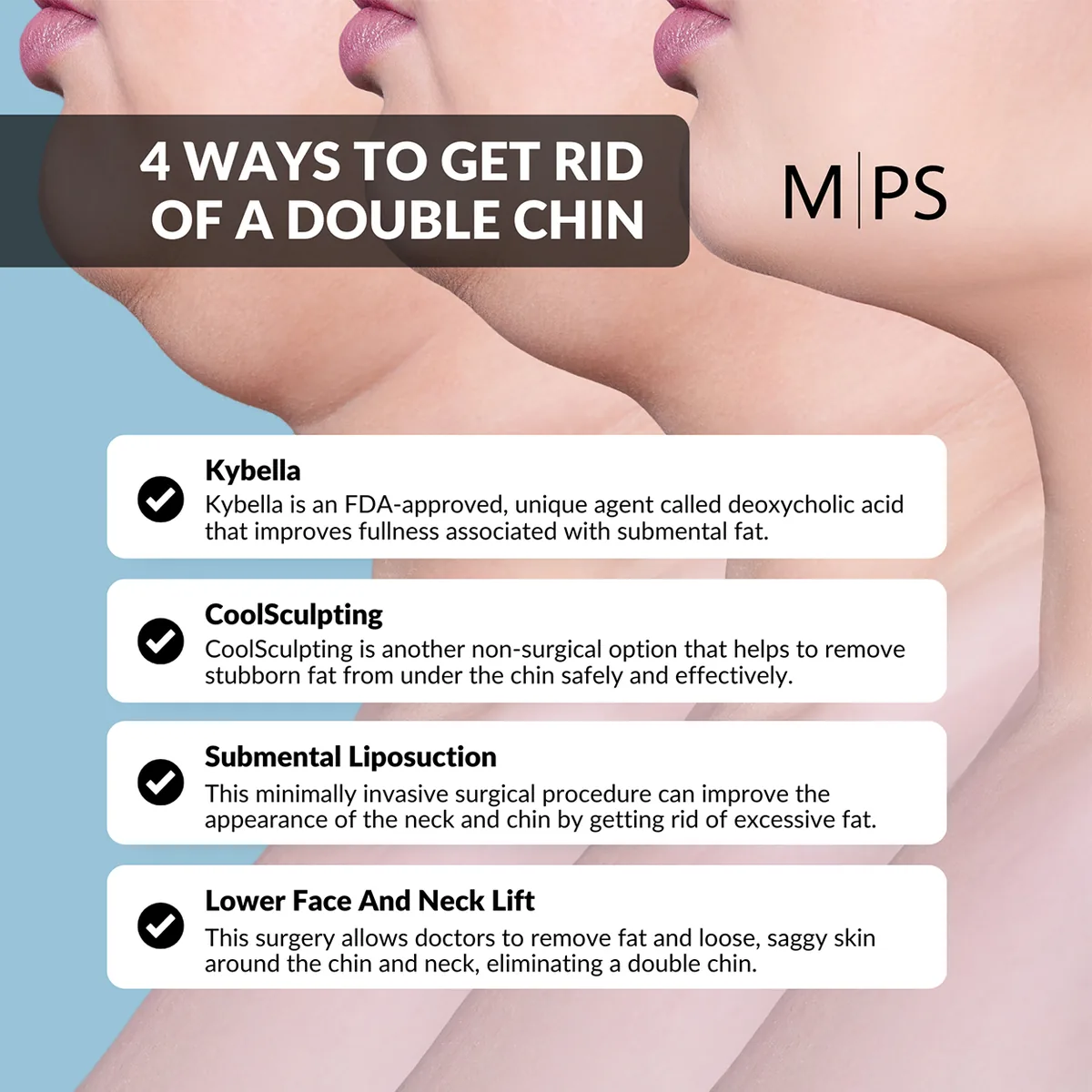
Extra fullness under the chin is one of those everyday details that catches people off guard in photos or mirrors, even when they…
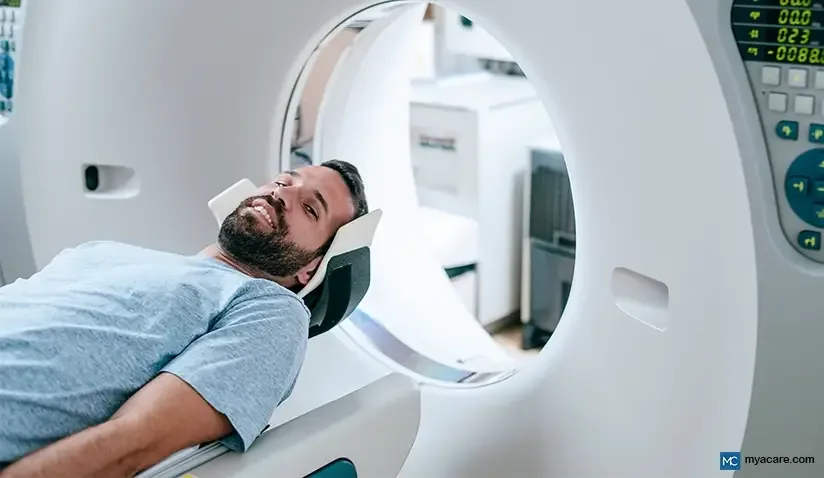
It is completely understandable to feel uneasy about what might be happening inside your body, especially when a routine checkup…
This is the whole process, in public. If a step gets skipped, the article doesn't carry a fact-check label.
Only the CDC, NIH, WHO, PubMed, and recognized medical bodies qualify. Blogs, supplement retailers, and AI-generated content are rejected.
Every medical claim carries a footnote pointing at the exact page that supports it — never a generic link to an institution's front door.
A senior nursing, medical, or nutrition student — or a practicing physician. Their real role appears verbatim in the article.
Every article is reviewed at least once every 12 months. The last review date sits directly under the headline.